
In 1930 the American Federation of Musicians (AFM) spent more than $500,000 on newspaper ads that cast a robot as the villain. In one of them, the robot feeds musical instruments into a meat grinder. On June 5, 2026, the same union sued Universal and Warner in federal court in New York. Its complaint says the labels licensed recordings played by its members to the AI companies Suno and Udio while paying those players nothing and crediting them nowhere. After 96 years, the robot is back as software.
In between, musicians fought a similar battle all the way to the end. The opponent was the DAW, or digital audio workstation: a program that lets one computer handle recording, editing and mixing. How did people who had spent their careers putting bands in a room and running tape come to distrust this machine, and how did they finally accept it? Retrace that road and today's AI argument starts to sound a little different.
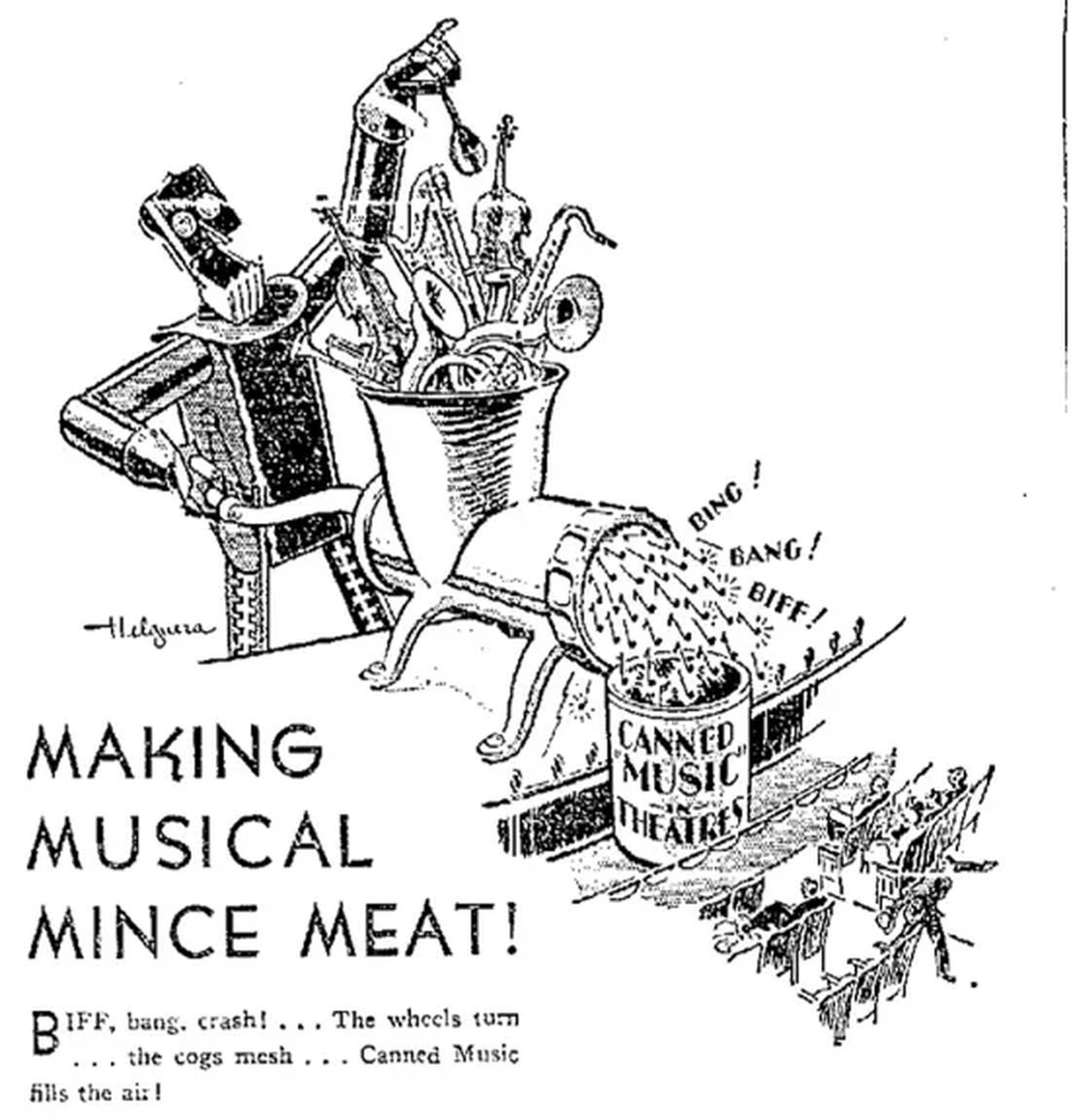
A 120-Year-Old Sentence
The idea that machines kill music was fully formed by 1906, when the march composer John Philip Sousa published "The Menace of Mechanical Music" in a magazine. He warned of devices that sing and play "in substitute for human skill, intelligence, and soul," and he called recordings "canned music." If children only ever imitated the phonograph, he fretted, the national throat itself would weaken.
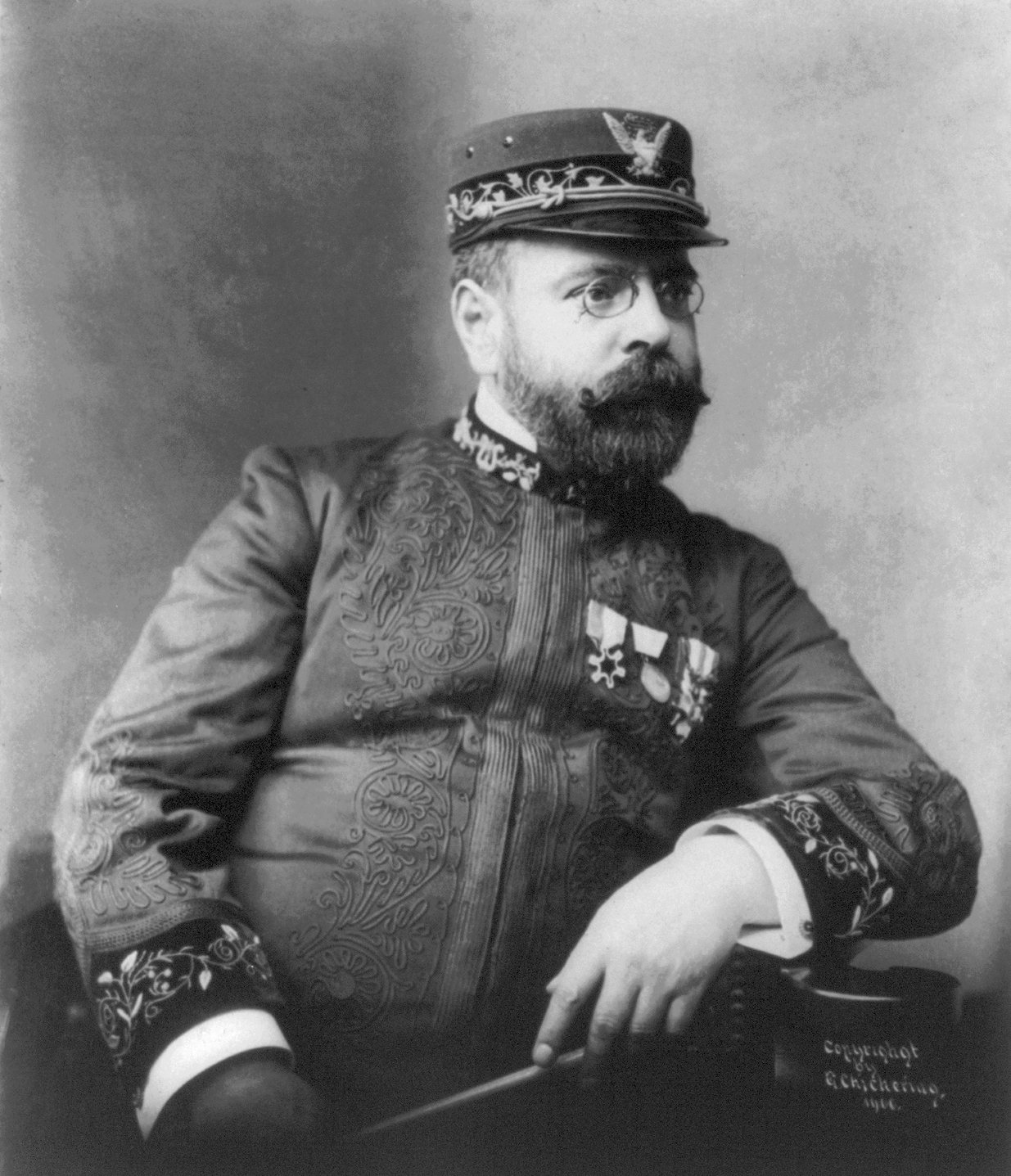
John Philip Sousa in 1900. He wrote "The Menace of Mechanical Music" in 1906. Source: Photo by Elmer Chickering, public domain, Wikimedia Commons
In 1930 the AFM drew a robot into that sentence, at a time when talking pictures were pushing theater orchestras out of work. One ad put it this way: "The Robot, having no capacity for feeling, cannot produce music in a true sense." People say almost the same thing about AI music today.
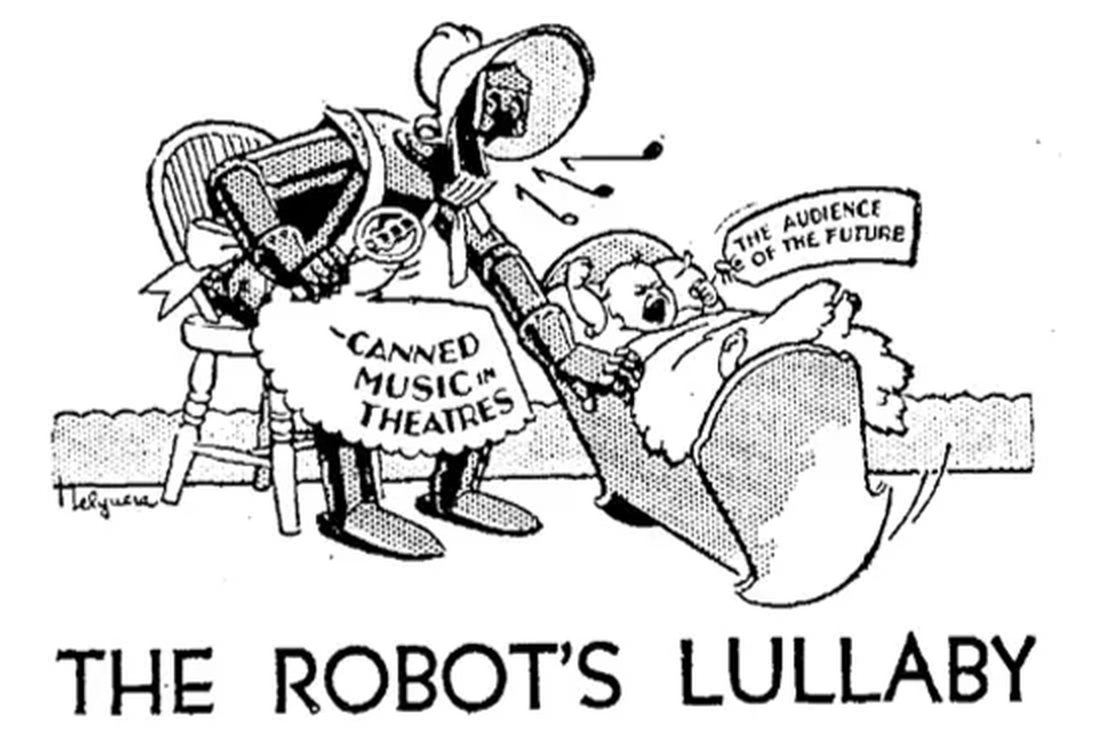
"The Robot's Lullaby." The crying baby is the audience of the future. Source: Capital Times, September 15, 1930, reproduced in Smithsonian Magazine 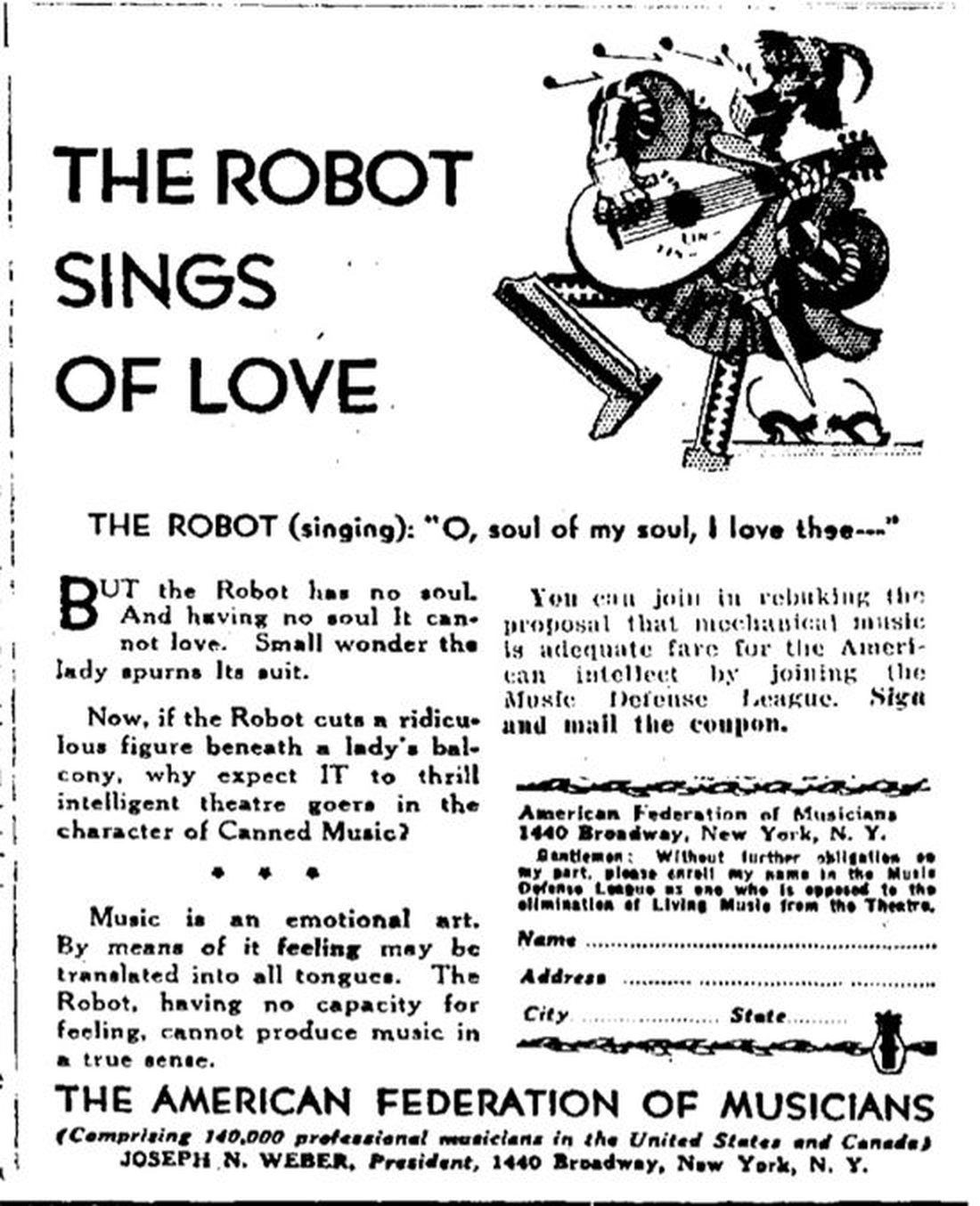
"The Robot Sings of Love," the ad quoted above. Source: Oelwein Daily Register, August 17, 1930, reproduced in Smithsonian Magazine
The ads failed, which doesn't mean they were wrong. In 1926 about 22,000 musicians worked in American movie theaters, a fifth of the union's membership. By the union's own records, that many theater jobs vanished within three years of the talkies, while only a few hundred soundtrack jobs appeared. Sousa's fight ended differently. The 1909 U.S. Copyright Act gave composers two cents per record, and Sousa went on making records. An argument that began with the soul got settled on a royalty statement.
The Room Disappears
In the tape era, recording meant performing. On February 11, 1963, the Beatles worked through their stage set and cut ten songs in a single day. Keith Richards still insisted in 2023 that a band belongs in one room, close enough to read each other's faces. To him, digital recording is "a one-way toilet."
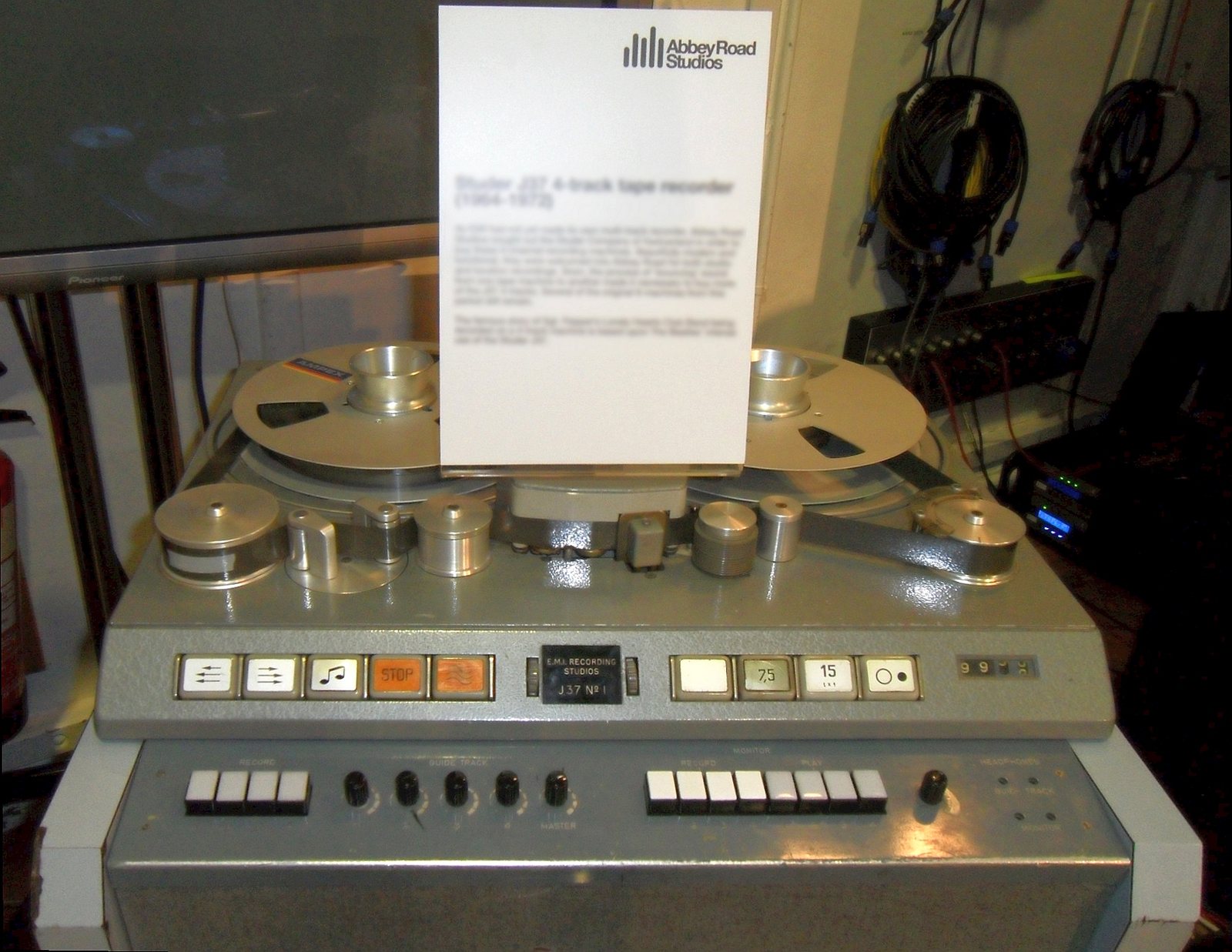
Studer J37 four-track recorder (1964-1972) at Abbey Road Studios. Source: Photo by Josephenus P. Riley, CC BY 2.0, Wikimedia Commons
Digital arrived first at a live performance. In 1976 the company Soundstream captured a Santa Fe Opera production on a prototype digital recorder, though the LP came from an analog tape running alongside it. Pop's first test case was the slide guitarist Ry Cooder. His 1979 album Bop Till You Drop, made on a $115,000 3M machine, is usually named as the first digitally recorded pop album from a major label, and that year Cooder was delighted that the playback finally matched the playing.
Two years later he had changed his tune. Cooder liked to record without baffles, everyone out on the floor with the sounds bleeding together. After two digital albums, he felt the players no longer seemed to share a room. Audio quality aside, what he missed was the room.
In 1993 Frank Sinatra hit the same wall. For Duets, his partners sent their voices from other studios over digital phone lines. When the engineer Al Schmitt set up an isolation booth, Sinatra, who had spent his life singing in front of a band, didn't sing a note the first day. On day two the team built a small stage beside the orchestra and handed him the wireless microphone he used at his shows. Nine songs came out of the next five hours. The album shipped three million copies in the U.S., though some critics shook their heads at duets nobody had sung together.
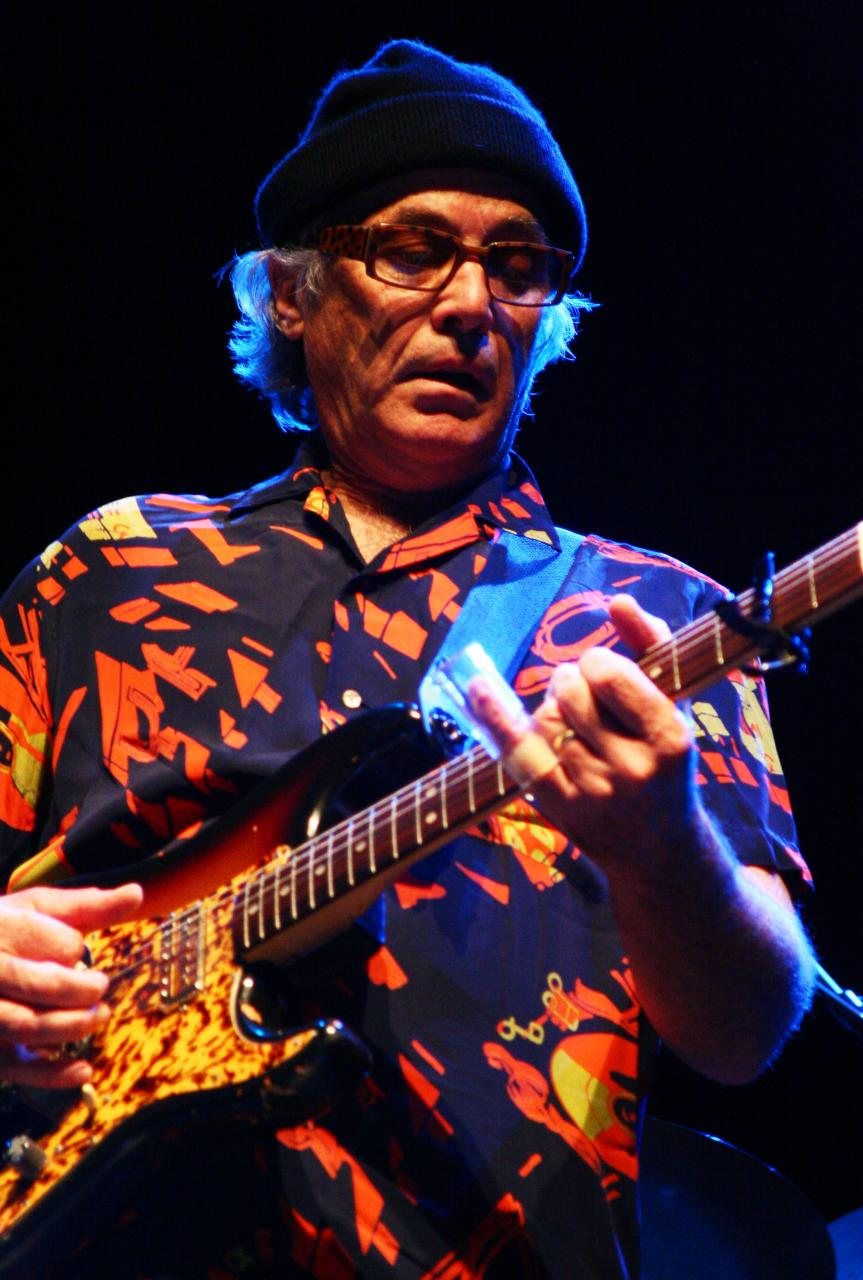
Ry Cooder in 2009. He loved recording without baffles, and he made the first digital pop album anyway. Source: Photo by Dani Canto, CC BY-SA 2.0, Wikimedia Commons 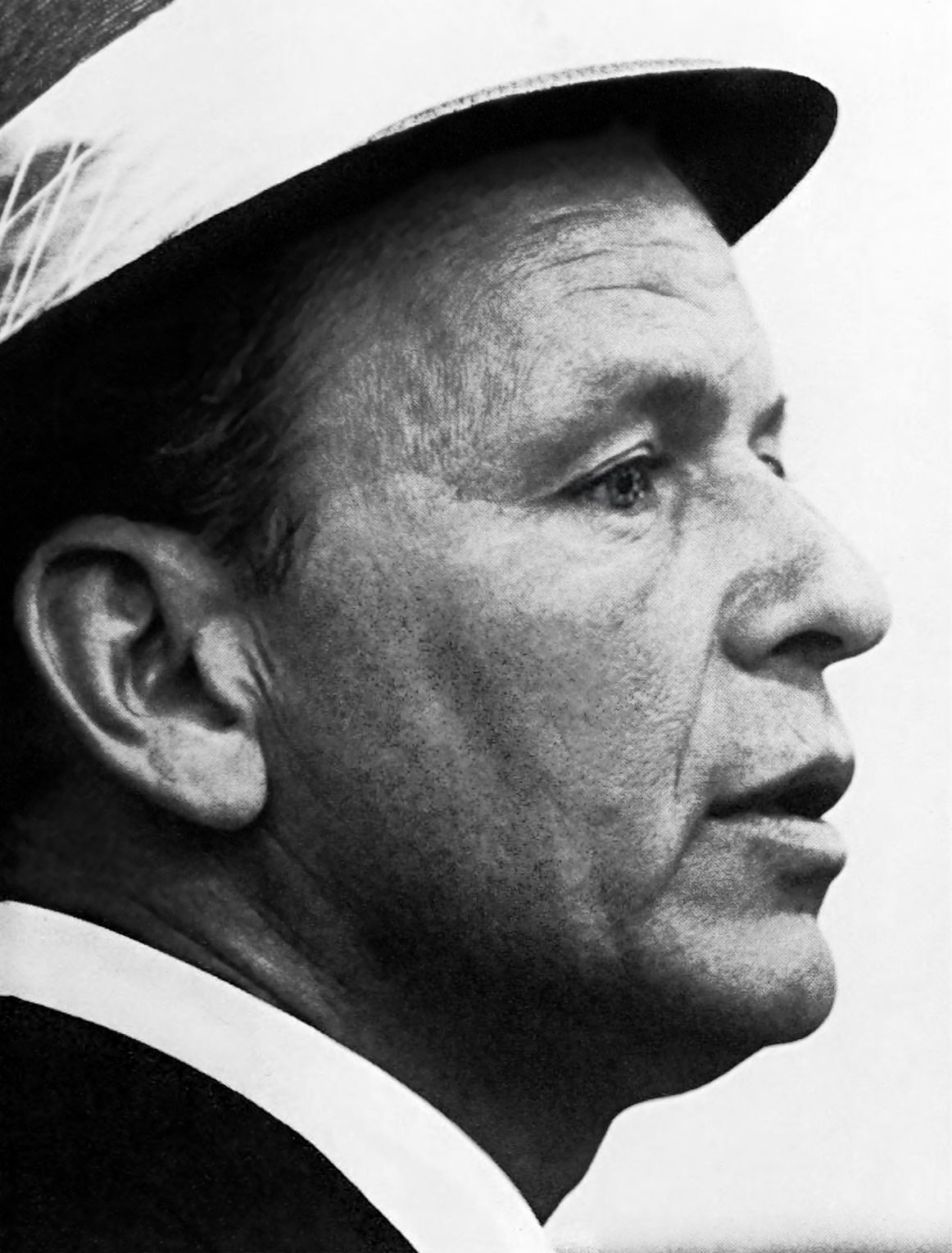
Frank Sinatra in a 1964 Reprise publicity photo. Source: Photo by Ed Thrasher, public domain, Wikimedia Commons
The Machine That Crashed Nineteen Times a Day
The DAW had humble beginnings. Peter Gotcher and Evan Brooks sold around 60,000 swap-in sound chips for drum machines and put the money into sound-editing software for the Mac. Pro Tools arrived in 1991 with four tracks and a price near $6,000, and Gotcher himself admitted it got off to a rocky start.
A chart position, not aesthetics, finally silenced the doubters. After the 1994 Northridge earthquake the producer Desmond Child moved to Miami and built a studio that ran everything through Pro Tools, and people told him he had lost his mind. The system went down nineteen times a day, and he nicknamed it "Slow Tools." The producer Mark Bright flatly predicted that Nashville would never go for it.
In 1999 Child's production of Ricky Martin's "Livin' La Vida Loca" spent five weeks atop the Billboard Hot 100, the first No. 1 recorded and mixed entirely inside a hard-disk system. When a chart staffer phoned to confirm the gear, Pro Tools was the answer for console, tape machine and converters alike. Within two years, by Child's account, hardly anyone was using anything else.
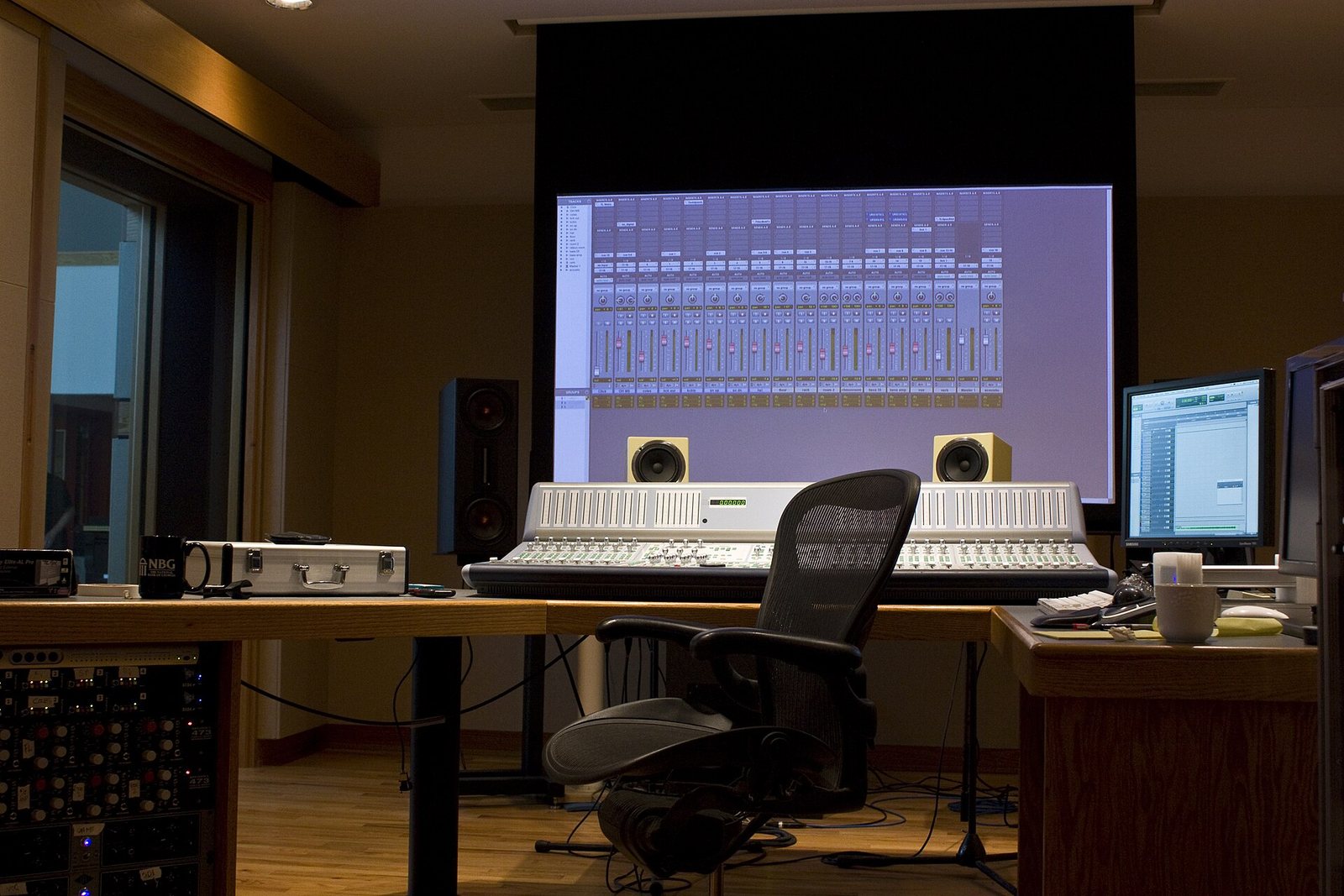
A control room with a Pro Tools console (1093 Studios, Athens, Georgia, 2010). Source: Photo by John Tuggle, CC BY 2.0, Wikimedia Commons 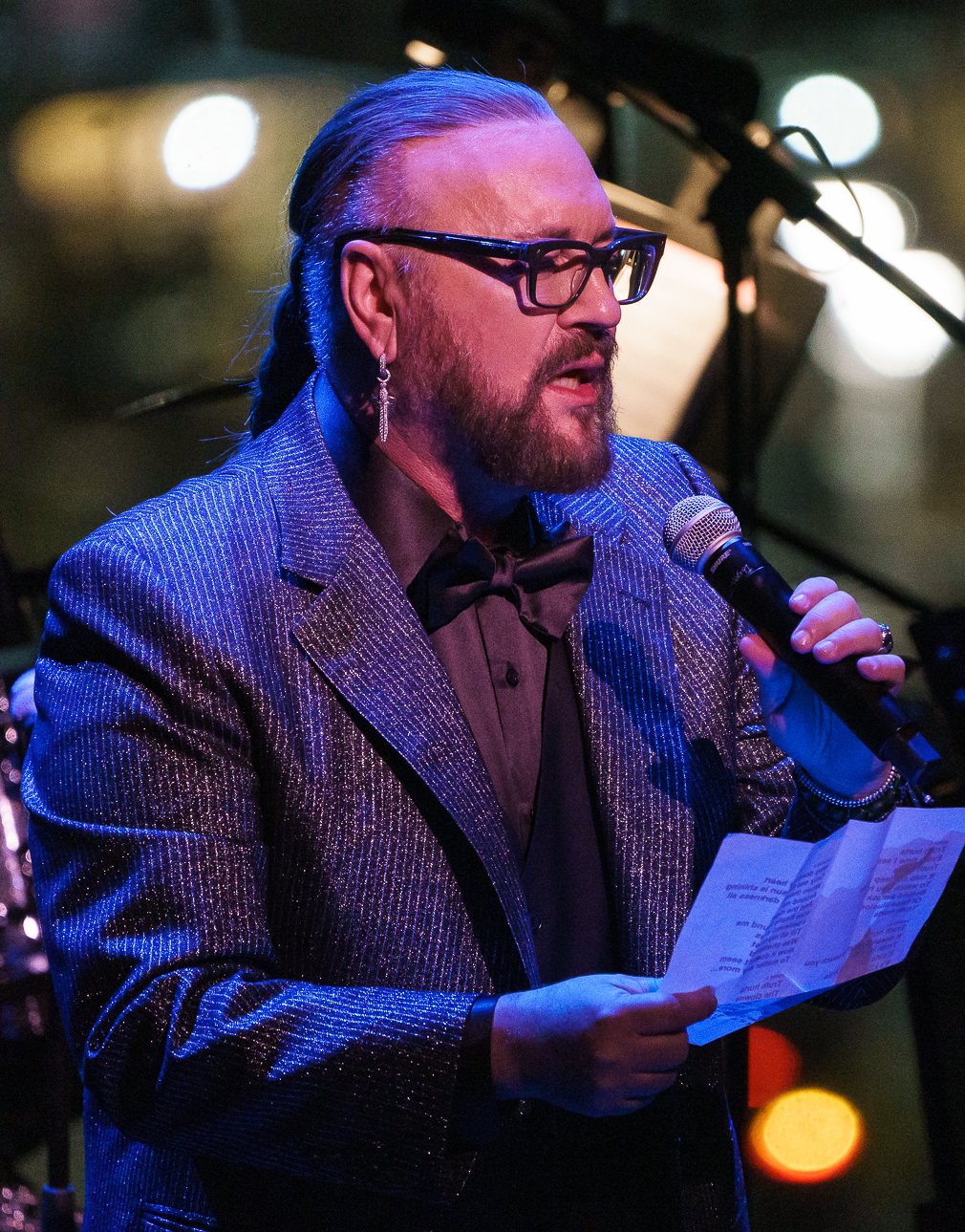
Desmond Child in 2019. He moved his whole studio onto Pro Tools. Source: Photo by Steven Pisano (posted by Peter Matthews), CC BY 2.0, Wikimedia Commons
The Holdouts and the Half-Converted
Not everyone followed. Steve Albini said in a 2006 interview that he couldn't so much as start up Pro Tools. His studio took digital sessions while he himself stayed on tape, and about software that snaps drums to the beat he said no machine should get to make aesthetic decisions.
Bands cracked from the inside, too. When Radiohead chopped up recordings with Pro Tools and Cubase for Kid A in 2000, guitarist Ed O'Brien admitted that tracks with no place for guitar or drums left the whole band unnerved. The answer he reached was that not every song needs every member.
More people compromised. Eddie Kramer, who engineered Jimi Hendrix, said in 2001 that he detested Pro Tools and had no choice but to use it, so he recorded to tape and then moved the tracks into the computer. Jack White held out until 2018, when he used Pro Tools for the first time because nothing else could cut down jams that ran 20 or 30 minutes. He praised it as an editor and added that he'd never warmed to how digital recording sounds.
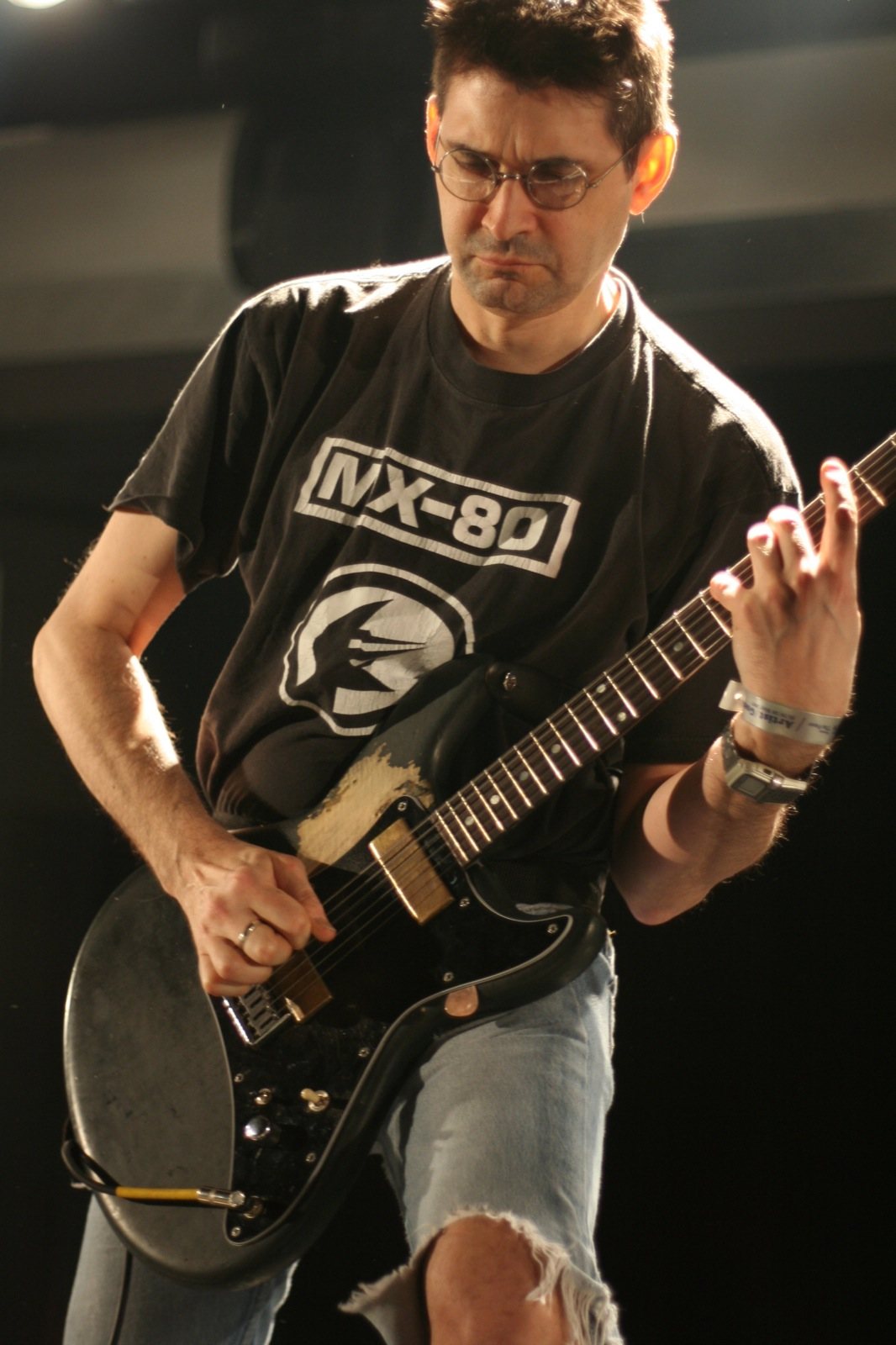
Steve Albini in 2007. He died in 2024. Source: Photo by Shannon McClean, CC BY 3.0, Wikimedia Commons 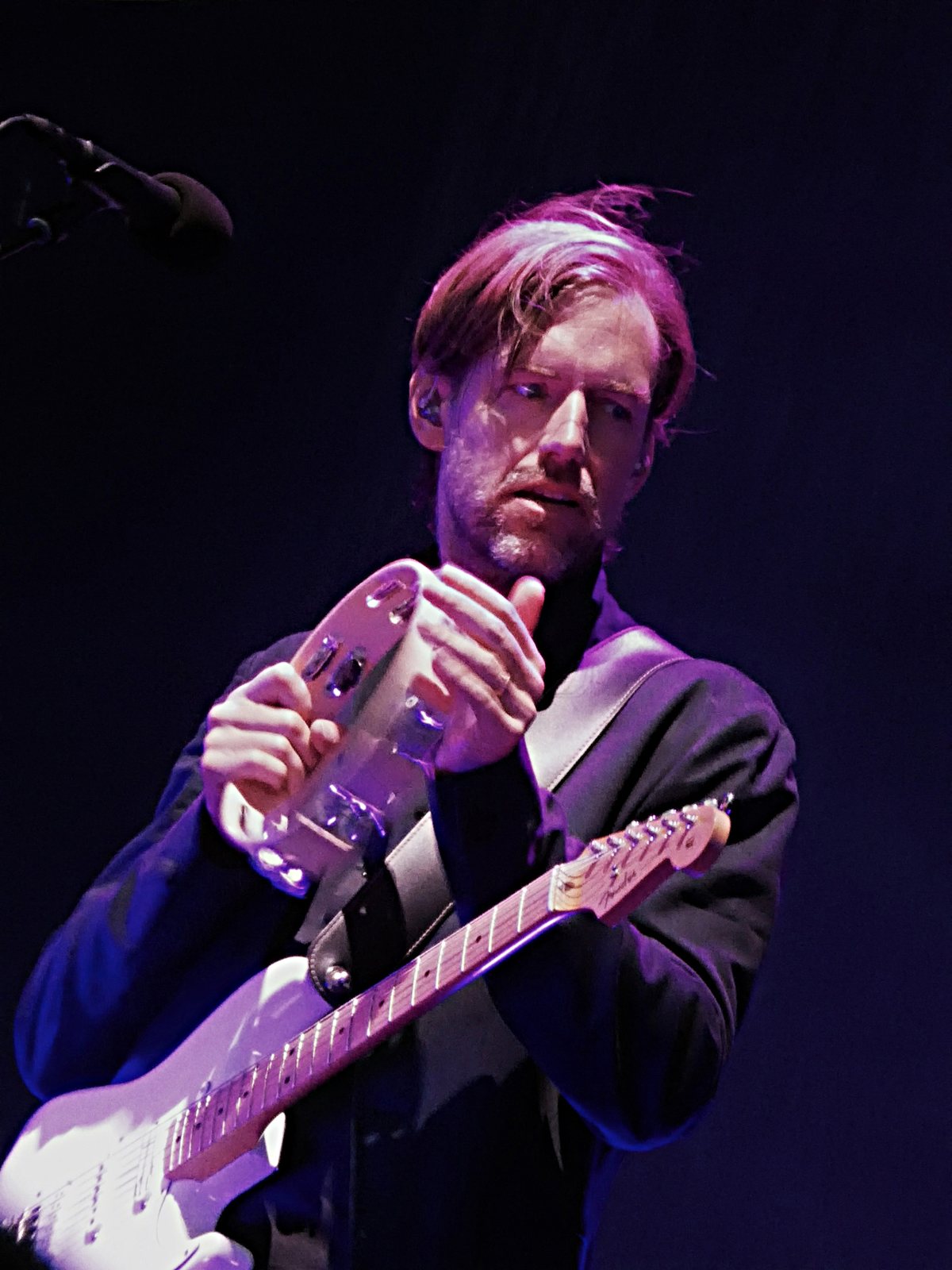
Ed O'Brien in 2017. Source: Photo by Yasuko Otani, CC BY-SA 4.0, Wikimedia Commons 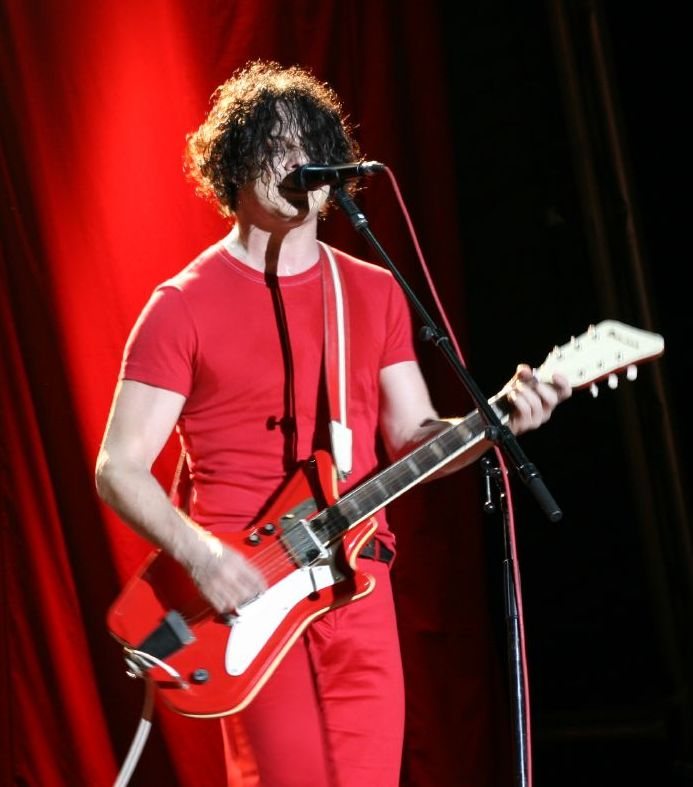
Jack White in 2007. Source: Photo by Michael Morel, CC BY 2.0, Wikimedia Commons
The most dramatic scene played out in a Los Angeles garage in 2010. Dave Grohl declared that no computer would touch Foo Fighters' Wasting Light, not even as a backup. His producer was Butch Vig, the man behind Nirvana's Nevermind in 1991, and when Vig picked up a razor blade again his hands shook. A stretch of tape came apart during an edit, so they had old splicing tape sent overnight from Wisconsin. The album took four Grammys in the rock categories.
At the ceremony Grohl said what mattered was the human element rather than anything inside a computer, drew fire from electronic music fans, and explained that he'd only meant a small tribute to analog recording. The human element, he said, is the moment a song drifts a little faster or a singer edges a little sharp. Vig, for his part, was glad to get back to Pro Tools when the sessions ended: cutting a young band to tape, he reckoned, would take far longer.
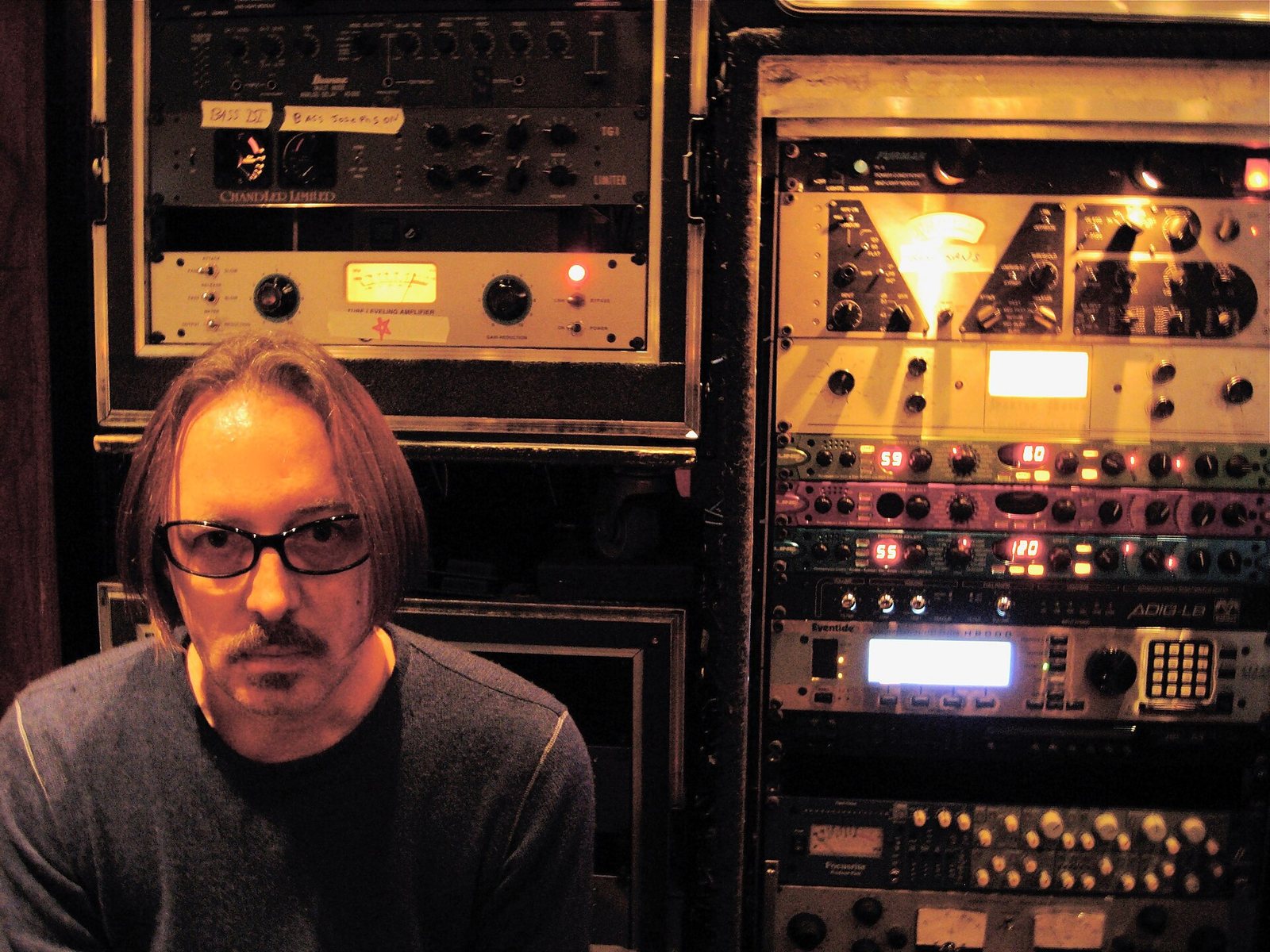
Butch Vig at Smart Studios in Madison, Wisconsin, in 2006. Source: Photo by Valdo Howell, CC BY-SA 4.0, Wikimedia Commons 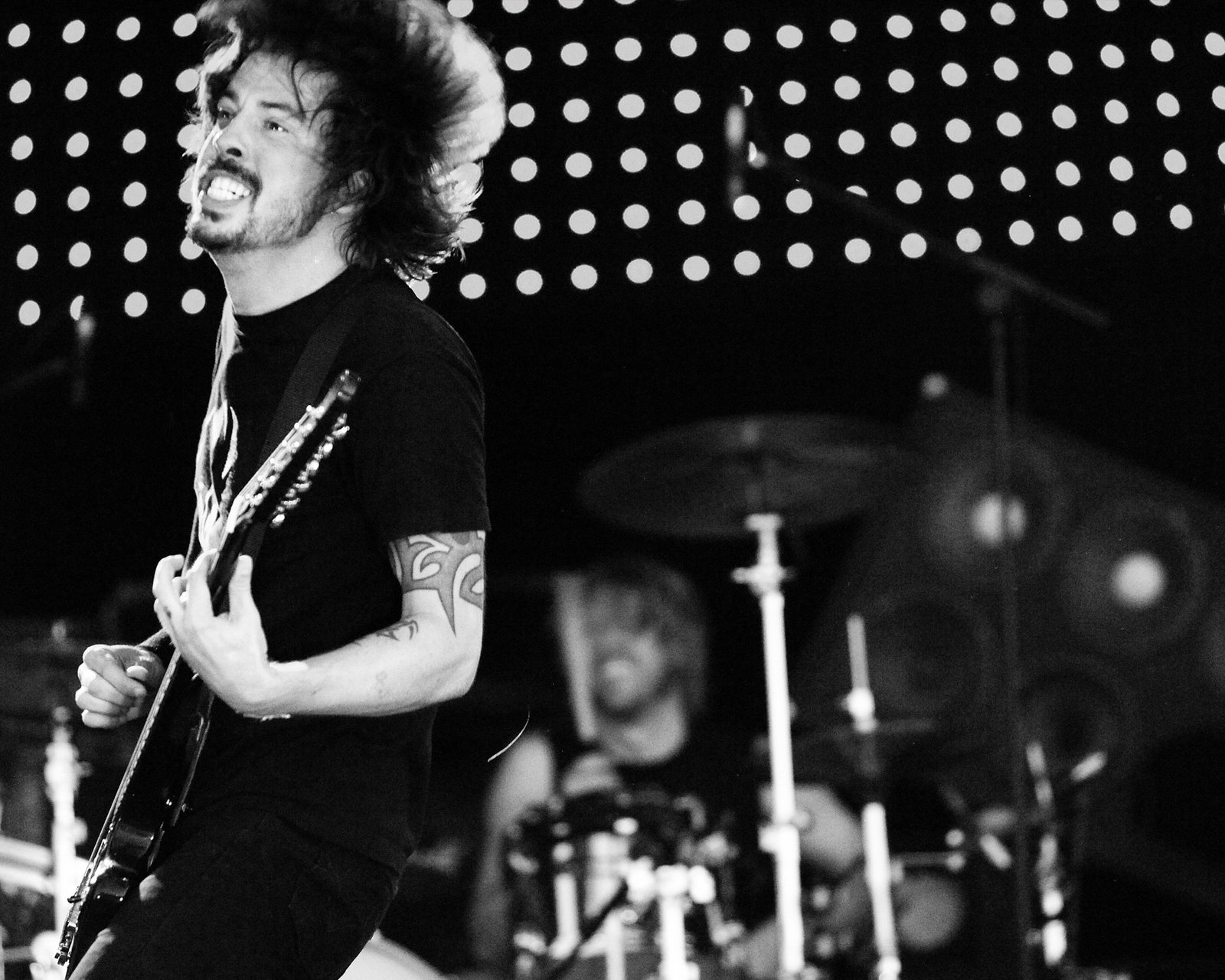
Dave Grohl, who insisted on a garage with no computers. Source: Photo by Roger Woolman, CC BY 3.0, Wikimedia Commons
Tape and computer shared a room in 2014. Al Schmitt gathered Bob Dylan and a five-piece band, with no headphones, in Capitol Studio B, where Sinatra used to work. The sound went to 24-track analog tape while Pro Tools ran only as a backup. Schmitt was the same engineer whose booth Sinatra had turned down 21 years earlier.
How a Tool Wins
The DAW won in a particular order. Editing came first: Kramer and White both disliked the sound and still opened the door for editing. Price came next. The home-studio Digi 001 appeared in 1999, and in 2004 GarageBand started shipping with new Macs. Album of the Year at the 2020 Grammys went to a record Billie Eilish and her brother Finneas made in a bedroom in Logic Pro.
Others paid the bill. Sound City, where Nevermind was recorded, stopped running as a commercial studio in 2011. Piracy and the labels' troubles played their part, so Pro Tools can't take all the blame, but there are fewer big rooms now and less of the work that filled them.
Declarations of purity kept coming, too. Queen kept noting in its credits that no synthesizers were used until 1980, when the band brought in an Oberheim. Boston stated on its 1978 album that it used neither synthesizers nor computers. Today almost no record bothers to say it was made on a DAW. A tool has won when nobody says its name anymore.
AI: The Same Words, a Different Fight
The declarations of purity are back. In January 2026 Bandcamp banned music made wholly or substantially by AI. Nick Cave in 2023 dismissed ChatGPT lyrics written in his style as an insult to being human. A 2024 open letter from more than 200 musicians carried the names of Billie Eilish and the Frank Sinatra estate, so the face of the bedroom DAW and the singer who refused the booth ended up on one list. The letter's target was training without permission, not AI as such.
That resistance has numbers behind it. Deezer says fully AI-generated tracks averaged 90,000 a day in June, more than half of all new uploads. They draw only 1 to 3 percent of streams, and up to 85 percent of those streams were fraudulent in 2025. In an Ipsos blind test, 97 percent of respondents couldn't pick out the AI songs.
Yet Paul McCartney, who has lent his name to the protests, saw his own band win a Grammy with AI's help. The Beatles' "Now and Then" was finished after machine learning pulled John Lennon's voice out of an old demo, and it won Best Rock Performance in 2025. McCartney insisted nothing on it was synthesized. The same year he added 2 minutes 45 seconds of an empty studio to a silent album protesting changes to British copyright law. One man uses one side of the technology and fights the other.
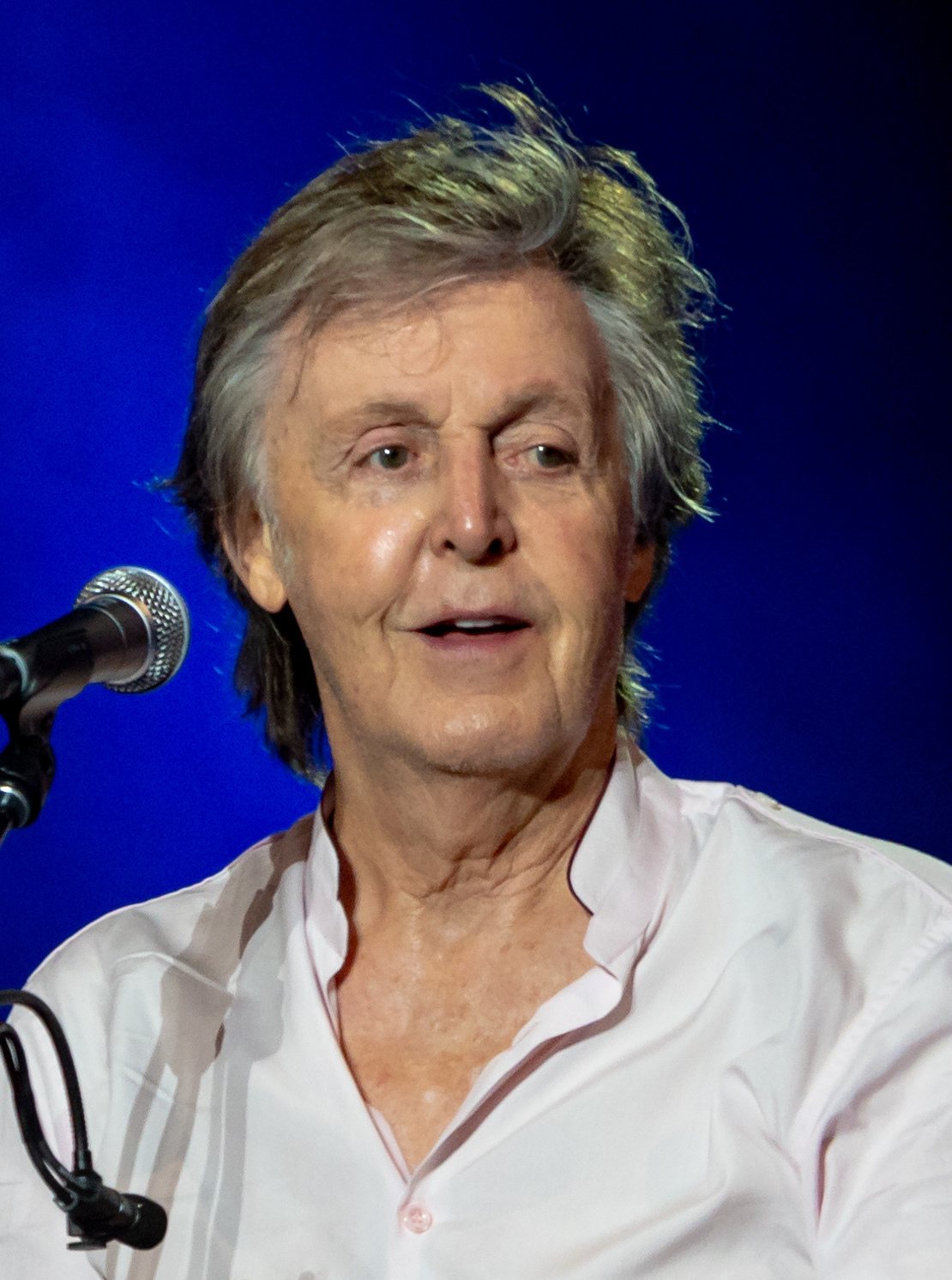
Paul McCartney in 2018. Source: Photo by Raph_PH, CC BY 2.0, Wikimedia Commons 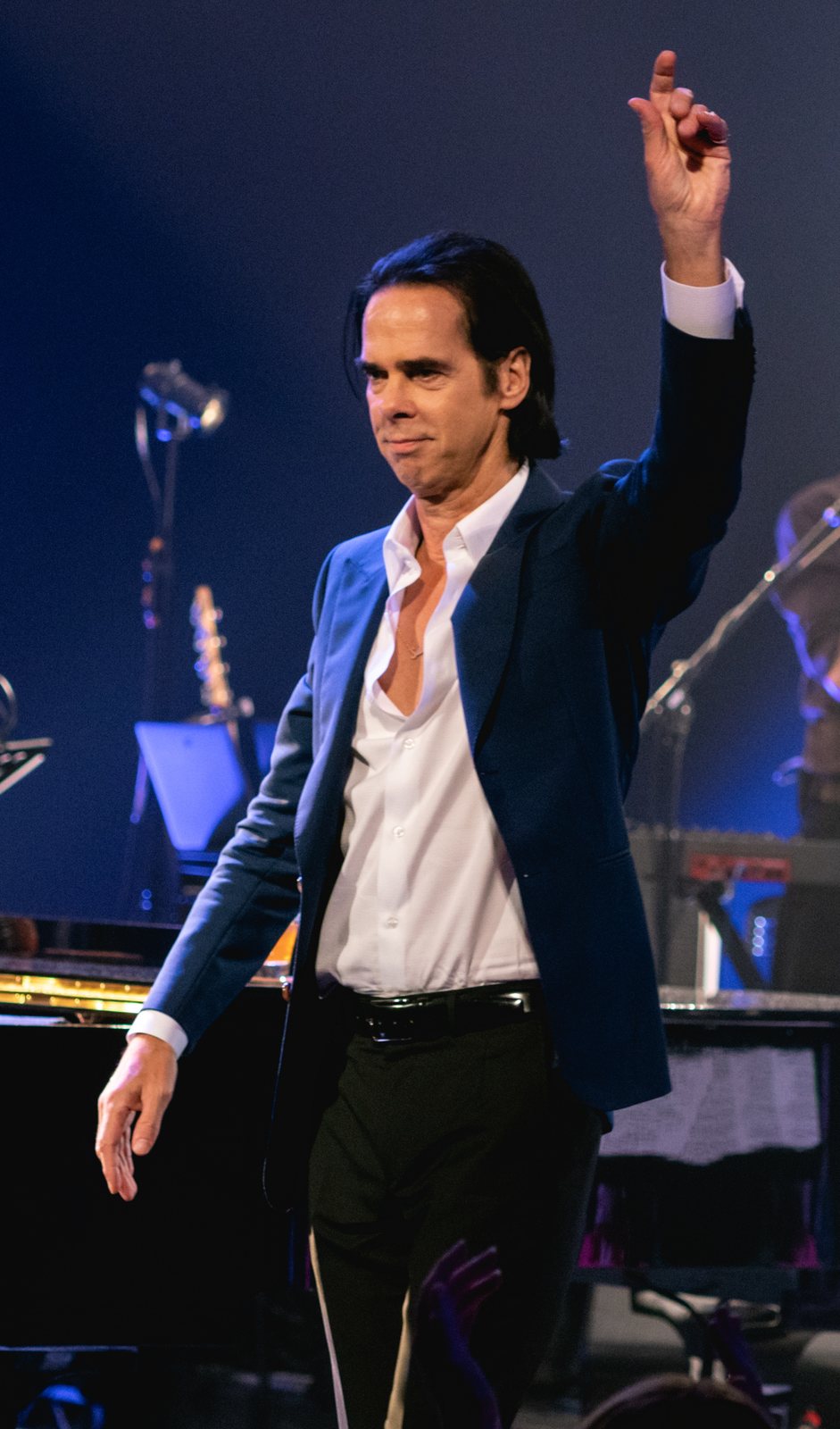
Nick Cave in 2021. Source: Photo by Raph_PH, CC BY 2.0, Wikimedia Commons
The technology already lives inside the DAW. Logic Pro added stem separation and virtual session players in 2024, and in September 2025 Suno described its own product as a generative audio workstation. The Grammys accept AI-assisted work if a human made a meaningful contribution. Korea hasn't drawn its line yet: on August 3 the Korea Music Copyright Association agreed to register the human-made parts of such songs, then withdrew the rule 22 days later. On October 13 a Meomureu track with human-written lyrics and vocals by Suno reached No. 3 on the Top 100 of the Korean music service Melon, with no AI label in its song information.
If you look only at the similarities, the answer is easy: AI that edits and separates has already won, and soon nobody will bother to name it. The differences weigh more. Pro Tools never fed on anyone's performance. Generative AI learned from musicians' recordings, which is why this fight is happening in court instead of the studio. The DAW moved work from players to producers but still left people choosing and fixing the song. When a one-line prompt can produce a track, nobody yet knows how many of them will remain.
The Sound That Becomes a Signature
In a December 1995 diary entry, Brian Eno wrote that a new medium's strangest and ugliest traits end up as its signature, and that people begin to prize and copy them once they no longer have to put up with them. His examples included CD distortion and the rough sound of 8-bit audio. The metallic sheen producers now work so hard to scrub from AI tracks may come back someday as a plug-in.
What will we call human then? The slight speeding-up Grohl talked about is something machines can already fake. That leaves what got chosen and what got thrown away, who made the call, and who gets paid for the performances the model learned from. It could end on a royalty statement, like the two cents of 1909, or it could end like the theater orchestras of 1930, with the music still here and the people gone. The union that once wrote that a robot has no soul is now in court asking for its share of the deals struck with that robot. There's no ruling yet.
Twenty years from now, will records still say they were made with AI? If the day comes when they don't, will that mean AI has been accepted as an instrument, or that we've stopped asking?
Sources
- The mechanical music fight Sousa, "The Menace of Mechanical Music" (1906) · Library of Congress, "Sousa and the Talking Machine" (2020) · Smithsonian Magazine, "Musicians Wage War Against Evil Robots" (2012) · AFM Local 802, "Musicians vs. the Talkies" (2010) · AFM Local 47 history · For a different count, The Birth of the Talkies (9,885 displaced in two years)
- Digital recording Soundstream · Bop Till You Drop (citing High Fidelity, October 1979) · Ry Cooder interview, Peter Stone Brown (1981) · Exclaim! on Keith Richards (2023, citing The Independent) · Please Please Me · Duets (citing Ramone and Granata, Making Records)
- Pro Tools Sound On Sound, "Digidesign Past & Present" (1995) · MusicRadar, "A brief history of Pro Tools" · Billboard, Harley Brown (2019, reposted on Desmond Child's site) · MusicRadar (2026) · Mix, "Recordin' La Vida Loca" (1999)
- The holdouts Chicago Reader interview with Albini (2006, reposted by Arthur) · WIRED, Dan Goodin (2005) · Kid A · MusicRadar on Radiohead · Tape Op, Eddie Kramer (2001) · Relix, Jack White (2018) · Sound On Sound, Wasting Light (2011) · Loudwire, Grohl's statement (2012) · Sound On Sound, Al Schmitt (2015) · Tape Op, critique of Sound City (2013) · Mix, Finneas · The Game · Boston, Don't Look Back credits
- AI Music Business Worldwide, the AFM lawsuit (2026) · Same outlet, the motions to dismiss · Deezer, July 2026 · Deezer and Ipsos survey (2025) · Engadget, Bandcamp (2026) · NME, Nick Cave (2023) · NBC, the open letter (2024) · Engadget, "Now and Then" (2025) · Paul McCartney's official site (2025) · Suno Studio release notes (2025) · Apple on Logic Pro's AI features (2024) · mxdwn, Grammy rules (2025) · Kyunghyang Shinmun, KOMCA's withdrawal (2026, in Korean) · Wikitree, Meomureu (2026, in Korean) · Kottke, Brian Eno's diary (1995)
- Photos The three 1930 ads ran in American newspapers and are in the public domain; we doubled the size of the versions reproduced by Smithsonian Magazine. All other images come from Wikimedia Commons and were only resized. Photographers and licenses appear in the captions.
Comments
Loading comments…